Introduction
The low taper fade has emerged as a cornerstone of modern men’s grooming, offering a sophisticated yet versatile aesthetic that seamlessly blends professionalism with contemporary style. This haircut is celebrated for its subtle transition, where hair gradually shortens near the ears and neckline, creating a clean and polished outline without the dramatic contrast of a high fade. It’s a look that appeals to a broad audience, from the boardroom to casual weekend outings, making it a truly adaptable choice for any man seeking a refined appearance. Understanding the nuances of the low taper fade is key to achieving and maintaining this popular style, ensuring it complements your individual hair type, face shape, and lifestyle.
This comprehensive guide will delve into every aspect of the low taper fade, from its fundamental definition and distinctions from other fade types to detailed styling and maintenance tips. We will explore a myriad of trending styles, provide expert advice on how to communicate your desired look to your barber, and offer practical guidance on at-home care and product selection. Our aim is to equip you with all the knowledge necessary to confidently embrace and master the low taper fade, ensuring you always look your best with this timeless haircut.
What is a Low Taper Fade?
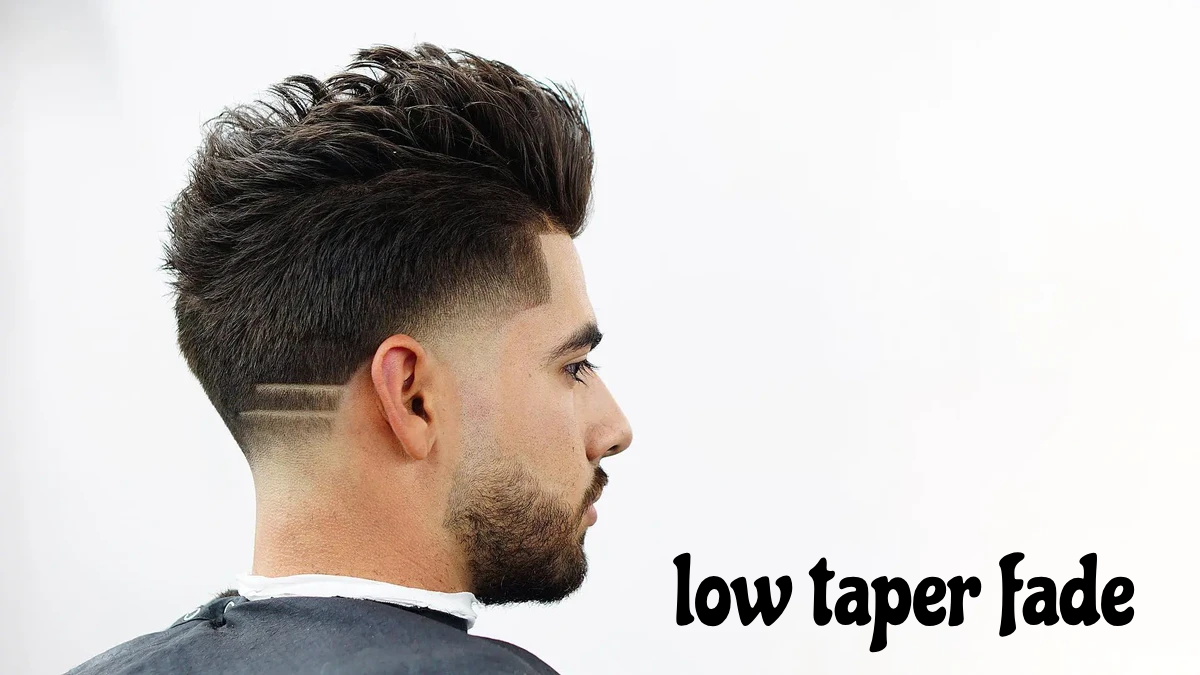
A low taper fade is a distinctive haircut characterized by a gradual reduction in hair length, starting just above the ears and extending down to the natural hairline at the nape of the neck. Unlike a traditional fade that might go down to the skin, a taper fade maintains some hair length at the bottom, offering a softer, more natural transition. The
essence of the low taper fade lies in its subtlety and clean finish, making it a popular choice for those who prefer a less dramatic yet equally stylish haircut. It offers a refined look that is both modern and timeless, suitable for various hair textures and personal styles.
This particular style is distinguished by how the hair gradually shortens, typically starting about an inch above the natural hairline, just above the ear, and gently fading downwards. The transition is smooth and seamless, creating a polished appearance that highlights the natural contours of the head. Unlike a skin fade, where the hair is cut down to the skin, a low taper fade maintains a minimal length at the very bottom, providing a softer edge and a more conservative appeal. This makes it an excellent option for individuals who require a professional look for work or formal occasions, while still offering enough versatility to be styled for casual settings.
The popularity of the low taper fade stems from its ability to blend seamlessly with various top hairstyles, from short crops and textured quiffs to longer, flowing locks. It provides a clean canvas that allows the focus to remain on the styling of the hair on top, enhancing its volume, texture, or shape. Furthermore, its low-maintenance nature, compared to more intricate fades, contributes to its widespread appeal, making it a practical choice for the modern man. The subtle graduation of length also ensures a softer grow-out, allowing for longer intervals between barber visits without compromising the overall neatness of the haircut.
Low Taper vs. Mid Taper vs. High Taper: Understanding the Differences
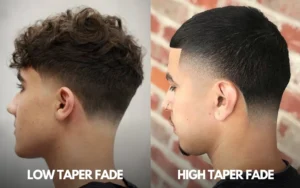
To truly appreciate the low taper fade, it’s essential to understand how it differentiates from its counterparts: the mid taper and high taper. While all three are variations of the taper fade, their starting points and the degree of contrast they create significantly alter the overall aesthetic. Choosing the right taper depends on personal preference, desired level of contrast, and the specific look one aims to achieve
Low Taper Fade
The low taper fade, as discussed, begins its gradual shortening process just above the ear and around the neckline. This creates a subtle, understated transition that maintains a more traditional and conservative appearance. The fade is less pronounced, offering a soft blend that is ideal for professional environments or for those who prefer a classic, refined look. It works exceptionally well with hairstyles that require a clean perimeter without drawing too much attention to the sides and back. The low taper fade is often chosen for its versatility and its ability to complement a wide range of face shapes and hair types, providing a clean foundation for various top styles.
Mid Taper Fade
In contrast, the mid taper fade starts higher on the head, typically around the temples or just above the midpoint between the ear and the top of the head. This higher starting point creates a more noticeable contrast than the low taper, offering a sharper and more contemporary look. The mid taper fade is a popular choice for those who desire a balance between the subtlety of a low taper and the boldness of a high taper. It provides a distinct separation between the longer hair on top and the shorter sides, making the fade a more prominent feature of the haircut. This style is particularly effective in highlighting textured or voluminous top sections, adding a dynamic element to the overall hairstyle.
High Taper Fade
The high taper fade is the most dramatic of the three, with the fade beginning much higher on the head, often near the crown or well above the temples. This creates a strong, bold contrast that makes a significant statement. The high taper fade is favored by those who want an edgy, modern look that emphasizes the faded sides and back. It’s a style that exudes confidence and is often paired with equally bold top hairstyles, such as sharp quiffs, pompadours, or textured crops. While it requires more frequent maintenance to keep the fade sharp, its striking appearance makes it a popular choice among fashion-forward individuals and those seeking a more assertive haircut.
|
Feature
|
Low Taper Fade
|
Mid Taper Fade
|
High Taper Fade
|
|
Starting Point
|
Just above the ear, around the neckline
|
Around the temples, midway between ear and top
|
High on the head, near the crown
|
|
Contrast Level
|
Subtle, understated
|
Moderate, noticeable
|
Strong, dramatic
|
|
Overall Look
|
Classic, refined, professional
|
Balanced, contemporary, sharp
|
Edgy, modern, bold
|
|
Maintenance
|
Lower, softer grow-out
|
Moderate
|
Higher, requires frequent trims
|
|
Versatility
|
High, suits most styles and settings
|
High, complements textured tops
|
Moderate, best with bold top styles
|
Taper vs. Fade: Understanding the Distinction
While the terms “taper” and “fade” are often used interchangeably, especially in the context of modern haircuts, there is a subtle yet significant distinction between the two. Understanding this difference is crucial for effectively communicating your desired haircut to your barber and for appreciating the artistry involved in each style. Both techniques involve a gradual reduction in hair length, but they differ in their execution and the overall effect they create.
Taper
A taper refers to a gradual decrease in the length of the hair, typically around the neckline and sideburns. The key characteristic of a taper is that it leaves some length at the very bottom, creating a soft, natural transition from longer to shorter hair. The hair never goes down to the skin; instead, it maintains a minimal length, often blending into the natural hairline. Tapers are generally more conservative and subtle, offering a clean and polished look without a stark contrast. They are ideal for those who prefer a classic haircut that is neat and well-groomed, suitable for professional settings and requiring less frequent touch-ups compared to a fade.
Fade
A fade, on the other hand, involves a more aggressive and often shorter reduction in hair length, where the hair gradually shortens to the point of disappearing into the skin. This creates a more dramatic and noticeable contrast between the longer hair on top and the very short or bald sides and back. Fades can start at various points on the head (low, mid, or high), and the intensity of the fade can vary from a subtle skin fade to a sharp, bald fade. Fades are typically more modern and edgy, offering a bold statement that highlights the precision of the cut. They often require more frequent maintenance to keep the fade sharp and defined, as the growth of even a few millimeters can alter the desired effect.
In essence, a taper is a type of fade, but not all fades are tapers. A taper is a softer, more gradual blend that maintains some hair length, while a fade can be much shorter and more dramatic, often going down to the skin. The low taper fade combines elements of both, offering the gradual blend of a taper with the clean finish of a fade, but keeping the transition low and subtle. This hybrid approach is what makes the low taper fade so popular, as it provides the best of both worlds: a refined, clean look with a touch of modern flair.
Low Taper Fade by Hair Type
The beauty of the low taper fade lies in its adaptability to various hair types and textures. Whether you have straight, wavy, curly, or thick hair, a skilled barber can tailor the low taper fade to complement your natural hair characteristics, enhancing your overall look. Understanding how this versatile haircut works with your specific hair type can help you achieve the best possible results and maintain the style effectively.
Straight Hair
For men with straight hair, the low taper fade offers a crisp and clean aesthetic. The precise lines and smooth transitions of the fade are particularly striking on straight hair, creating a sharp, well-defined look. The natural fall of straight hair on top can be styled with ease, allowing for various looks from a classic side part to a modern textured crop. To maintain the sharpness of the fade, regular trims every 3-4 weeks are recommended. Styling products like a light pomade or styling cream can help keep the top neat and add a subtle shine, ensuring the straight hair complements the clean fade perfectly.
Wavy Hair
Wavy hair naturally adds texture and movement to any hairstyle, and the low taper fade is no exception. The subtle fade provides a clean frame for the waves on top, allowing them to be the focal point. The natural movement of wavy hair can help disguise grow-out, making this a relatively low-maintenance option. A textured low fade works particularly well, as it embraces the hair’s natural flow. Styling with a sea salt spray or a light-hold cream can enhance the waves and add definition without weighing them down. Regular trims every 4-5 weeks will help maintain the shape and prevent the fade from becoming overgrown.
Curly Hair
The low taper fade is an excellent choice for men with curly hair, as it provides a clean and defined perimeter that beautifully frames the natural volume and texture of curls. A low drop fade, which follows the head shape, can create a striking contrast without fighting the curl pattern. This style allows the curls on top to flourish, while the faded sides keep the look neat and polished. To maintain healthy curls and a sharp fade, it’s important to use hydrating products like argan oil or a curl-defining cream. Regular trims every 2-3 weeks are advisable to keep the fade crisp and prevent the curls from becoming unruly.
Thick Hair
For men with thick hair, the low taper fade is a practical solution for managing bulk and creating a lighter, more manageable style. By removing weight from the sides and back, the fade helps to reduce the overall density of the hair, making it easier to style the top. A bald taper fade can be particularly effective in creating a strong contrast and keeping the sides very short. Styling products with a strong hold, such as texture clay or molding paste, can help control the volume and shape of thick hair on top. Frequent trims every 2-3 weeks are recommended to maintain the fade and prevent the thick hair from becoming too heavy.
Thin/Fine Hair
While men with thin or fine hair might be hesitant to try fades, the soft low taper can be a flattering option. The key is to avoid harsh contrasts that can emphasize thinning areas. A subtle, gradual fade that maintains more length at the bottom can create the illusion of density and volume. The focus should be on creating texture and movement on top to add fullness. Light-hold styling products like a texture powder or a volumizing mousse can help lift the hair and create the appearance of thicker strands. Regular trims every 4 weeks will help maintain the shape and prevent the hair from looking sparse.
Top 20+ Low Taper Fade Styles
The versatility of the low taper fade allows for a multitude of styling options, catering to diverse tastes and preferences. From classic and professional to edgy and modern, there’s a low taper fade style for every man. Here, we explore some of the most popular and trending variations, offering inspiration for your next haircut.
The Executive Low Taper
This style is the epitome of professionalism and sophistication. The fade starts subtly at the temple, creating a clean and polished look that is perfect for corporate environments. The top is typically kept slightly longer and styled neatly, often with a side part or brushed back, exuding an air of refined elegance. This low taper fade is about maximum polish and zero rebellion, making it a go-to for client meetings and formal events.
The Modern Classic
Combining traditional tapering with contemporary texture on top, the Modern Classic is a barber’s favorite. The low taper fade provides a clean foundation, while the hair on top is styled with natural movement and texture. This versatile look can be dressed up or down, making it suitable for a wide range of occasions. It’s a timeless style that remains consistently popular due to its adaptability and effortless appeal.
The Textured Drop
For those seeking a subtle touch of personality, the Textured Drop features a low taper fade that gently drops behind the ear, adding an extra dimension to the haircut. The top is styled with texture, creating a dynamic and modern look. This style offers a unique twist on the classic low taper fade, providing a hint of individuality without being overly dramatic. It’s ideal for men who want a distinctive look that is still refined.
The Shadow Master
The Shadow Master is characterized by a gradual low taper fade that is so subtle it
whispers rather than shouts. This style is perfect for first-timers or those nervous about committing to a more dramatic fade. The blend is incredibly smooth, creating a soft, almost imperceptible transition that still provides a clean and well-groomed appearance. It’s a testament to the barber’s skill, delivering a refined look that is both subtle and impactful.
The Bold Statement
For men who prefer a more assertive look, the Bold Statement incorporates a low taper fade with a hard part or a design element. This style allows for creative expression while maintaining the clean lines of the fade. Whether it’s a sharp line shaved into the side or an intricate design, this low taper fade variation makes a strong visual impact. It’s a perfect choice for those who want to stand out and showcase their individuality, proving that a professional look can still be edgy.
Low Taper Fade Mullet
This style is a bold fusion of retro and modern aesthetics. The low taper fade mullet features a clean, gradual transition along the sides, which contrasts with a longer, flowing back. This unique combination offers a statement-making look that is both edgy and stylish, perfect for those who want to embrace a distinctive appearance. The subtle fade adds sophistication to the rebellious mullet aesthetic, making it a versatile choice for various occasions.
Side Swept Ivy League
Combining vintage elegance with modern refinement, the Side Swept Ivy League with a low taper fade is a sophisticated choice. The hair is swept to the side from a defined part, creating a polished and professional look. The low taper fade adds a subtle contrast, keeping the sides clean and sharp while maintaining a timeless appeal. This style is ideal for men who desire a sophisticated yet approachable look that works well in both formal and casual settings.
Low Taper Faded Undercut
For those seeking a bold and edgy look, the Low Taper Faded Undercut is an excellent choice. The undercut emphasizes volume on top, while the low taper fade creates a seamless transition along the sides and back. Adding textured highlights can further enhance the style, making it stand out even more. This variation offers a strong visual impact, highlighting the contrast between the longer top and the faded sides.
Comb Over with Low Taper
A sleek and professional option, the Comb Over with Low Taper is ideal for both formal and casual settings. The hair is combed over from a deep part, creating a voluminous and structured appearance. The low taper fade ensures a clean finish, complementing the length on top and framing the face beautifully. This style exudes confidence and is a classic choice for men who appreciate a refined and well-groomed look.
Textured French Crop with Low Taper
This variation of the French Crop features choppy layers on top and a bold fringe that draws attention to the eyes. The low taper fade adds a modern touch, blending the sides and back seamlessly. It’s a trendy and low-maintenance style that works well for men who prefer a more relaxed yet stylish look. The textured top provides a contemporary feel, while the fade keeps the overall appearance neat and sharp.
Low Drop Fade
The Low Drop Fade enhances the shape of the head by creating a curved fade that dips behind the ears. It provides a clean, sleek look while maintaining a soft transition between longer and shorter lengths. Perfect for men looking for a subtle yet striking haircut, this style complements all hair types and textures. Regular trims ensure the drop remains sharp and polished, making it a popular choice for those who want a distinctive yet refined fade.
Low Burst Fade
The Low Burst Fade adds a dramatic flair to your haircut with its burst-like taper around the ears. This eye-catching style features a sharp contrast between the faded sides and longer hair on top, creating a bold and dynamic look. Ideal for pairing with mohawks or textured crops, it’s a standout choice for men seeking individuality and edge. The unique shape around the ear makes this fade particularly distinctive.
Low Fade with Curly Hair
The Low Fade with Curly Hair accentuates natural curls while maintaining a clean, defined look. With its gradual taper along the sides and back, this style emphasizes texture and volume on top, making it a popular choice for curly-haired men. Regular trims keep the fade sharp while allowing the curls to shine effortlessly, providing a neat yet natural appearance.
Low Fade with Short Hair
The Low Fade with Short Hair offers a minimalist yet stylish appearance. The gradual taper creates a neat and polished look, ideal for men seeking a low-maintenance haircut. Whether paired with a textured crop or a buzz cut, this style provides practicality and refinement in equal measure. It’s a versatile option for those who prefer a shorter, cleaner look without sacrificing style.
Low Fade with Textured Fringe
The Low Fade with Textured Fringe offers a stylish, edgy look that draws attention to the face. The fade creates a clean and polished base, while the textured fringe adds a bold, modern touch with choppy layers. This versatile style is perfect for men who want a trendy, low-maintenance haircut with personality, combining sharpness with a playful element.
Low Fade with Design
For those who love to stand out, the Low Fade with Design takes creativity to the next level. This style features a sharp fade accented with custom shaved patterns or lines, adding flair to the clean base. From geometric shapes to abstract art, it’s an expressive way to personalize your look while maintaining a sleek appearance. This option allows for ultimate customization and self-expression.
Side Swept Short Hair with a Low Taper
Side Swept Short Hair with a Low Taper exudes timeless elegance with a modern twist. The gradual tapering keeps the sides sharp, while the side-swept top adds volume and structure. Ideal for both formal and casual settings, this haircut is a polished choice for men who appreciate understated style. It’s a sophisticated look that is both clean and versatile.
Low Drop Taper with Messy Hair
The Low Drop Taper with Messy Hair is the perfect blend of casual and contemporary. Featuring a low, curved taper that seamlessly transitions into textured, messy hair on top, this style offers a relaxed vibe with a polished finish. It’s ideal for men seeking a laid-back yet stylish haircut, providing an effortless cool factor.
Short Textured Hair with Low Taper Fade
Short Textured Hair with Low Taper Fade is a versatile, easy-to-maintain style that’s perfect for busy lifestyles. The low taper keeps the sides neat, while the short, textured top adds movement and depth. It’s a trendy yet practical option for men who value both style and simplicity, offering a clean look with minimal effort.
Broccoli Style with Low Taper Fade
The Broccoli Style with Low Taper Fade is a playful and unique option that emphasizes dense, fluffy curls on top. The taper keeps the sides clean and sharp, creating a striking contrast with the voluminous texture above. It’s a standout choice for men who want to embrace bold, quirky hairstyles, allowing their natural curls to take center stage.
Low Taper Fade with Thick Curls
The Low Taper Fade with Thick Curls showcases natural volume and texture while maintaining a polished finish. The fade frames the curls beautifully, providing a clean edge that enhances the overall shape of the haircut. This style is perfect for men with thick, curly hair who want to manage their volume while still highlighting their natural texture. The contrast between the faded sides and the full curls creates a dynamic and stylish look.
How to Ask Your Barber for the Perfect Low Taper Fade
Getting the perfect low taper fade starts with clear communication with your barber. A precise description of your desired look, combined with visual aids, can make all the difference. Here’s how to ensure you walk out of the barbershop with the exact low taper fade you envisioned.
Show a Reference Image
The most effective way to communicate your desired low taper fade is to bring clear reference photos. Preferably, have images from the front, side, and back. These visual aids help your barber understand the exact taper height, fade length, and your preferred styling for the top. A picture is worth a thousand words, and in the barber’s chair, it’s invaluable for ensuring precision and matching your expectations.
Be Specific About the Fade Line
Don’t just say “give me a taper.” Instead, be specific about where you want the low taper fade to start. For instance, you can specify “just above the ear” or “at the natural hairline.” Clarify how short you want the sides to be at their shortest point and how you envision the blend into the longer hair on top. Discuss your maintenance preferences and how often you’re willing to visit for touch-ups, as this can influence the barber’s approach to the fade.
Discuss Your Hair Type and Styling Goals
Inform your barber about your hair type (straight, wavy, curly, thick, thin) and any specific styling goals you have. For example, if you want more volume on top or a particular texture, mention it. This information helps your barber tailor the low taper fade to your hair’s natural characteristics and recommend the best techniques and products for your desired outcome. A good barber will consider your hair’s natural growth patterns and texture to create a fade that looks natural and grows out gracefully.
Styling Your Low Taper Fade at Home
Maintaining the sharp look of your low taper fade between barber visits requires a consistent at-home styling routine. With the right products and techniques, you can keep your haircut looking fresh and polished. Here’s a step-by-step guide to styling your low taper fade.
Prep Your Hair
Start with clean hair. Wash your hair with a quality shampoo and conditioner to remove any buildup. Towel-dry your hair until it’s slightly damp, as this is the ideal canvas for product application. For added volume and control, especially if you have fine or wavy hair, apply a sea salt spray or a pre-styler before blow-drying. This step helps to create a foundation for your desired style and enhances the texture of your hair.
Apply a Styling Product
Choose a styling product that aligns with your desired finish. For a clean, sleek look with a natural shine, a light pomade or styling cream works best. If you prefer more texture and a matte finish, opt for a texture clay or molding paste. Distribute the product evenly through your hair, starting from the roots and working your way to the tips. Ensure even coverage for consistent control and natural separation, which will highlight the contrast with your low taper fade.
Use a Blow Dryer
A blow dryer is an essential tool for locking in your style and adding volume. Use it on a medium heat setting, directing the airflow upward or backward, depending on your desired look. For structured styles, use a round brush to guide your hair into place. For a more relaxed or messy look, use your fingers to scrunch and shape your hair as you dry. Blow-drying helps to set the product and create lasting hold, ensuring your low taper fade looks sharp throughout the day.
Finish the Style
To seal your look and provide extra hold, you can apply a light-hold hairspray. For added shine and frizz control, especially if you have curly or wavy hair, a few drops of argan oil can make a significant difference. If you need to refresh volume or texture throughout the day, a texture powder can be applied to the roots. These finishing touches help to maintain the definition of your low taper fade and keep your hair looking its best.
Maintenance and Care for Your Low Taper Fade
To keep your low taper fade looking its best, regular maintenance is key. This includes consistent barber visits and a thoughtful at-home care routine. Proper maintenance ensures the fade remains sharp, the lines stay clean, and your hair remains healthy.
Regular Barber Visits
The most crucial aspect of maintaining a low taper fade is scheduling regular appointments with your barber. To keep the fade fresh and well-blended, aim for a visit every 2 to 4 weeks. Routine trims are essential for maintaining the clean neckline and tapered sides, preventing uneven growth that can quickly diminish the sharp appearance of the fade. Your barber can also clean up your edges and ensure the transition remains seamless.
Hair Products for Longevity
Daily styling and product use play a significant role in preserving the look of your low taper fade. Choose lightweight products that suit your hair type. For soft hold and a natural finish on fine or wavy hair, creams are ideal. For texture and volume on thick or straight hair, clays or waxes are more suitable. Avoid heavy products that can cause buildup, which can weigh down your hair and make the fade appear less defined. Additionally, incorporate a clarifying shampoo into your routine once a week to remove product buildup and maintain scalp health, which is vital for healthy hair growth and a sharp fade.
Scalp Health
A healthy scalp is the foundation for healthy hair. Ensure you’re using shampoos and conditioners that are appropriate for your scalp type. Regular washing helps to prevent oil and product buildup, which can lead to issues like dandruff or irritation. Massaging your scalp during washing can also stimulate blood flow, promoting healthier hair growth. A well-maintained scalp contributes to the overall vitality of your hair, making your low taper fade look even better.
Conclusion
The low taper fade stands as a testament to the enduring appeal of classic grooming with a modern twist. Its subtle yet impactful transition, combined with its remarkable versatility across hair types and styling preferences, makes it a perennial favorite among men seeking a refined and contemporary look. From the executive boardroom to casual social gatherings, the low taper fade offers a clean, sharp, and effortlessly stylish appearance that is both professional and fashion-forward. By understanding its nuances, communicating effectively with your barber, and committing to a consistent maintenance routine, you can confidently embrace this iconic haircut and ensure you always present your best self.
Frequently Asked Questions (FAQs) about the Low Taper Fade
Q1: What is the difference between a low taper fade and a low skin fade?
A low taper fade maintains some hair length at the very bottom, creating a soft, natural transition. A low skin fade, on the other hand, tapers down to reveal the scalp, offering a more dramatic effect and a sharper contrast. The low taper fade is generally more subtle and conservative.
Q2: Does a low taper fade work for longer hairstyles?
Yes, the low taper fade is highly versatile and works exceptionally well with longer hairstyles on top. It provides a clean and defined perimeter, allowing the longer hair to be the focal point while maintaining a neat and polished overall look.
Q3: Can I get a low taper fade with a hard part?
Absolutely. A hard part can be incorporated into a low taper fade to add a distinct line and enhance the sharpness of the style. This combination creates a bold statement and adds an edgy touch to the classic fade.
Q4: Is a low taper fade good for thick hair?
Yes, the low taper fade is an excellent choice for thick hair. It helps to remove bulk from the sides and back, making the hair more manageable and easier to style. It creates a clean contrast that can highlight the texture and volume of thick hair on top.
Q5: How do I maintain a low taper fade between barber visits?
Maintain your low taper fade by using appropriate styling products, blow-drying for volume and hold, and washing your hair regularly with a clarifying shampoo to prevent buildup. Most importantly, schedule regular trims every 2-4 weeks to keep the fade sharp and clean.
Q6: What’s the best product for styling a low taper fade?
The best product depends on your desired finish. For a sleek look, use pomade. For texture and a matte finish, opt for texture clay or molding paste. Sea salt spray can add volume and control for wavy hair, while argan oil provides shine and frizz control for curly hair.
Q7: Does a low taper fade suit all face shapes?
Yes, the low taper fade is known for its versatility and generally suits all face shapes. Its subtle and gradual transition makes it a flattering choice that can be adapted to complement various facial structures, enhancing natural features without being too overpowering.