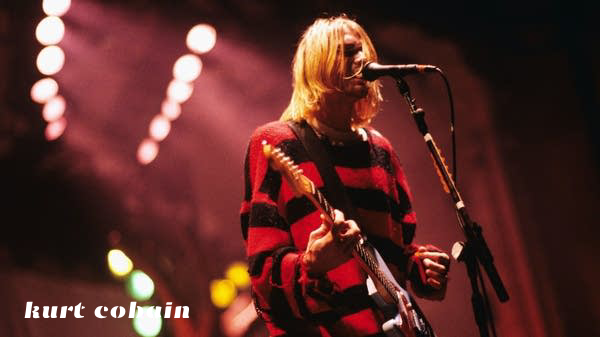
Kurt Cobain was more than just a musician; he was a cultural icon who shaped the sound and style of the 1990s. As the lead singer, guitarist, and main songwriter for the band Nirvana, he became a symbol of the grunge music movement that emerged from Seattle. His raw lyrics and powerful performances resonated with millions, making songs like “Smells Like Teen Spirit” anthems for a new generation. This article will explore the life, music, and lasting impact of Kurt Cobain, explaining why his story continues to captivate audiences worldwide.
Early Life in Aberdeen: A Troubled Beginning
Kurt Donald Cobain was born on February 20, 1967, in Aberdeen, Washington, a small logging town nestled in the Pacific Northwest. His early childhood was marked by a vibrant imagination and a deep love for music. He was known for his artistic inclinations, often drawing and creating stories. His grandmother, Iris Cobain, who was an artist herself, encouraged his creative pursuits . This early exposure to art and music laid the foundation for his future career. He would spend hours sketching cartoons, creating comic books, and even making short films with his Super 8 camera. These early creative outlets were crucial for a child who often felt different from his peers.
However, this seemingly idyllic childhood took a dramatic turn when his parents divorced when he was nine years old. This event deeply affected young Kurt, leaving him feeling troubled, angry, and often misunderstood. This emotional turmoil became a significant wellspring for his later songwriting, providing a raw and honest voice to his music . The divorce shattered his sense of security and belonging, leading to a feeling of abandonment that would haunt him for years. He often felt like an outsider, a feeling that would resonate with many of his future fans who also felt disconnected from mainstream society.
After the divorce, Kurt Cobain experienced a period of instability, moving between various relatives’ homes, including his grandparents and aunts and uncles. He even spent some nights sleeping under bridges, a detail that would later become part of his mystique and a subject of his song “Something in the Way.” During his teenage years, he began to express his rebellion through petty vandalism and early experimentation with drugs. These acts were not just youthful mischief; they were a cry for understanding and a rejection of the conventional world around him . He found solace in music, listening to bands like the Melvins and developing his own unique musical style.
Musically, Cobain was drawn to punk rock, a genre known for its raw energy and anti-establishment ethos. In the mid-1980s, he started playing with members of a local band called the Melvins, a sludge rock group that would also gain national recognition. These early musical collaborations helped him hone his guitar skills and develop the distinctive sound that would later define Nirvana . He learned to play guitar by ear, often practicing for hours in his bedroom, dreaming of a different life beyond Aberdeen.
The Birth of Nirvana: A New Sound Emerges
In 1985, Kurt Cobain recorded a homemade demo tape with the Melvins’ drummer. This raw recording eventually found its way to Krist Novoselic, a local bassist who shared Cobain’s passion for punk rock and a desire to create something new. Their musical chemistry was immediate, and together, they formed Nirvana in 1987. The band went through a series of drummers in its early days, but the core creative partnership of Cobain and Novoselic remained constant . They practiced tirelessly, often in noisy, cramped spaces, refining their sound and writing songs that would soon capture the attention of the music world.
The band’s sound was a deliberate fusion of the aggressive, stripped-down energy of punk rock with the melodic hooks of pop music. This unique blend was a departure from the prevailing rock trends of the time and would soon become the hallmark of the grunge music genre. Their early performances in small clubs across the Pacific Northwest began to attract a dedicated following, drawn to their raw authenticity and powerful stage presence. They were a band that defied easy categorization, blending aggression with vulnerability in a way that felt fresh and exciting.
One of Nirvana‘s demo tapes eventually reached Jonathan Poneman of Sub Pop, an independent record label based in Seattle. Recognizing their potential, Sub Pop signed the band, leading to the release of their first single, “Love Buzz,” in 1988, and their debut album, “Bleach,” in 1989. “Bleach” showcased the band’s raw power and Cobain’s emerging songwriting talent, laying the groundwork for their future success . The album’s success within the independent music scene quickly caught the attention of major record labels, eager to capitalize on the burgeoning Seattle sound.
The final piece of the Nirvana puzzle fell into place in 1990 when Dave Grohl joined as the drummer. Grohl’s powerful and dynamic drumming style completed the classic Nirvana lineup, creating a formidable musical force that was ready to take on the world . With Grohl’s addition, the band’s sound became even more potent, combining Cobain’s melodic sensibilities with a newfound rhythmic intensity.
The Grunge Revolution: The Seattle Sound
Grunge music was more than just a musical style; it was a cultural phenomenon that captured the mood of the early 1990s. Originating in Seattle, the Seattle sound was a powerful blend of punk rock’s raw aggression, heavy metal’s intensity, and indie rock’s melodic sensibilities. It was characterized by distorted guitars, often sludgy tempos, raw and emotional vocals, and lyrics that frequently explored themes of alienation, frustration, and apathy. Nirvana, with Kurt Cobain at its helm, became the most famous and influential band of this movement, bringing grunge to the global stage . Other notable bands from the scene included Pearl Jam, Soundgarden, and Alice in Chains, but Nirvana’s impact was arguably the most far-reaching.
Kurt Cobain‘s lyrics were deeply personal, often reflecting his own struggles with depression, anxiety, and a sense of not belonging. He wrote about feeling like an outsider, the pressures of fame, and the search for authenticity in a world he often found superficial. This raw honesty resonated deeply with young people, particularly those of Generation X, who felt a similar sense of disillusionment and a desire for something real. The grunge music movement offered a powerful alternative to the glossy pop and extravagant hair metal that had dominated the music scene for years, providing a voice for a generation that felt unheard. Cobain’s ability to articulate these feelings made him a reluctant spokesperson for a generation.
Beyond the music, grunge also influenced fashion and lifestyle. It championed a casual, anti-consumerist aesthetic, with thrift-store clothes, flannel shirts, ripped jeans, and combat boots becoming iconic symbols of the movement. Kurt Cobain‘s personal style, often described as effortlessly rebellious, became synonymous with grunge fashion, influencing trends far beyond the music scene . He wasn’t trying to be fashionable; he was simply wearing what was comfortable and affordable, which ironically made him a style icon.
Nevermind and Global Fame: “Smells Like Teen Spirit”
In 1991, Nirvana released their second album, “Nevermind,” an album that would forever change the landscape of popular music. The album’s lead single, “Smells Like Teen Spirit,” with its instantly recognizable guitar riff, dynamic shifts between quiet verses and loud choruses, and an iconic music video, quickly became a global sensation. It was a cultural earthquake, propelling Nirvana from underground darlings to international superstars . The song’s raw energy and enigmatic lyrics captured the zeitgeist of the early 90s, making it an anthem for a generation searching for meaning.
“Nevermind” was a groundbreaking album, becoming the first alternative rock album to achieve massive mainstream success. It knocked Michael Jackson’s “Dangerous” off the top of the charts, signaling a seismic shift in popular music tastes. The album’s raw energy, melodic hooks, and Cobain’s impassioned vocals captivated audiences worldwide, making Nirvana a household name and Kurt Cobain the reluctant “voice of his generation” . The album sold millions of copies, and suddenly, grunge was everywhere, from radio airwaves to MTV.
However, this sudden and immense fame came with a heavy price. Cobain was never comfortable with the intense scrutiny and the expectations that were placed upon him. He struggled with the loss of anonymity and the feeling that his artistic vision was being misinterpreted or commodified. The pressures of celebrity, combined with his pre-existing struggles with depression and addiction, created a profound internal conflict that he grappled with throughout the remainder of his life . He often expressed a desire to return to the simpler days of playing in small clubs, far from the glare of the global spotlight, where he felt he could be more authentic.
Art and Songwriting: Beyond the Music
Kurt Cobain‘s creative talents extended far beyond his musical endeavors. He was a prolific visual artist, drawing and painting from a very young age. His artwork, much like his music, was often raw, introspective, and deeply emotional. He filled notebooks with sketches, caricatures, and surreal imagery, offering a visual diary of his inner world. These artistic expressions provided an outlet for his complex emotions and a deeper understanding of his creative process . Some of his private journal entries, which included both writings and drawings, were published posthumously in a book titled Journals, providing fans with an intimate glimpse into his mind . His art often featured grotesque figures, anatomical studies, and disturbing themes, reflecting his fascination with the darker aspects of human existence.
His songwriting process was often described as unconventional. While some artists meticulously craft lyrics, Cobain sometimes claimed that his lyrics were intentionally vague or even meaningless, often piecing together phrases from his journals or creating them on the spot. Despite this, many of his songs carried profound emotional weight and explored universal themes. For example, “Lithium” delves into themes of mental health and faith, while “Polly” addresses a disturbing true crime, showcasing his ability to tackle dark and complex subjects with sensitivity and power . He had a remarkable ability to convey complex emotions and experiences in a simple, yet incredibly powerful and relatable way, making his songs resonate deeply with listeners.
Cobain‘s approach to songwriting was often driven by instinct and raw emotion rather than strict structure. He frequently used stream-of-consciousness writing, allowing his thoughts and feelings to flow freely onto the page. This authentic approach contributed to the raw and honest quality of Nirvana‘s music, making it feel incredibly personal and genuine to his audience. He was a master of crafting memorable melodies and combining them with lyrics that were both poetic and unsettling, creating a unique sonic landscape.
Personal Life: Love, Family, and the Pressures of Fame
In 1992, Kurt Cobain married Courtney Love, the charismatic and equally controversial frontwoman of the alternative rock band Hole. Their relationship was a whirlwind of intense passion, artistic collaboration, and public drama. They were often portrayed as a modern-day punk rock couple, captivating the media with their unconventional lifestyle and outspoken personalities. The couple welcomed their daughter, Frances Bean Cobain, that same year, adding another layer of complexity to their lives . Their marriage was a constant subject of tabloid speculation, adding to the immense pressure Cobain already felt.
The pressures of fame, combined with their already tumultuous personal lives, took a heavy toll on Cobain. He struggled with chronic depression, a condition that had plagued him since childhood, and severe stomach pain, which he often tried to alleviate with various substances. His battle with drug addiction, particularly heroin, became increasingly public and debilitating after Nirvana‘s breakthrough. These struggles intensified as his fame grew, leading to a difficult and very public battle with addiction and mental health issues . He sought various treatments, but the relentless spotlight made recovery incredibly challenging.
Cobain‘s discomfort with celebrity was palpable. He often felt misunderstood and exploited by the media, who sensationalized his personal life and focused on his struggles rather than his art. This constant scrutiny, coupled with the demands of touring and recording, exacerbated his mental health challenges and made it increasingly difficult for him to find peace. The weight of being the “voice of a generation” was a burden he never truly embraced, often expressing resentment towards the very fame he had achieved.
In Utero and Later Years: A Raw Farewell
In 1993, Nirvana released their third and final studio album, “In Utero.” This album was a deliberate and defiant response to the massive commercial success of “Nevermind” and the mainstream expectations that followed. Cobain sought to create a rawer, more abrasive, and less commercially polished album, a clear statement against the perceived sanitization of their sound. He wanted to remind listeners of Nirvana‘s punk rock roots and challenge the notion of them as a pop band . The album’s title itself, referring to the womb, suggested a return to a more primal, unfiltered state.
“In Utero” featured a more aggressive sound, with songs like “Scentless Apprentice” and “Rape Me” showcasing a return to their punk rock sensibilities. The album’s themes were darker and more introspective, delving deeper into Cobain‘s personal anxieties, his disillusionment with fame, and his struggles with his own identity. Despite its less commercial sound, “In Utero” was critically acclaimed, praised for its artistic integrity and emotional honesty. It further solidified Nirvana‘s place in music history as a band unwilling to compromise its artistic vision for commercial gain . The album was a raw, cathartic scream from an artist struggling with his own success.
During this period, Cobain‘s personal struggles continued to escalate. His addiction worsened, and his mental health deteriorated. In March 1994, he overdosed in Rome, an incident later characterized as a suicide attempt. A month later, he left a drug treatment center in Los Angeles and returned to Seattle. On April 5, 1994, Kurt Cobain tragically took his own life at his Seattle home, at the age of 27 . His death sent shockwaves through the music world and left a profound void, leaving fans and fellow musicians grappling with the loss of a unique talent. The circumstances surrounding his death have been the subject of much speculation and debate, but the tragic outcome remains a stark reminder of the struggles he faced.
MTV Unplugged in New York: A Legendary Performance
One of Nirvana‘s most iconic and enduring performances was their “MTV Unplugged in New York” concert, recorded in November 1993 and released posthumously in 1994. This acoustic performance showcased a different, more intimate side of the band, stripping away the distortion and aggression to reveal the raw beauty and emotional depth of Cobain‘s songwriting. The setlist included acoustic versions of Nirvana classics, as well as covers of songs by artists like Lead Belly and David Bowie, demonstrating Cobain‘s diverse musical influences . The performance was a stark contrast to their usual loud, energetic shows, revealing a vulnerability that deeply resonated with audiences.
The “MTV Unplugged” album became a massive commercial and critical success, earning a Grammy Award and further cementing Nirvana‘s legacy. It highlighted Cobain‘s powerful vocals and his ability to convey profound emotion with just an acoustic guitar. The performance is widely regarded as one of the greatest live albums of all time, a testament to the enduring power of Nirvana‘s music even in a stripped-down, intimate setting . It allowed listeners to connect with the raw emotion of his lyrics and the haunting beauty of his melodies in a way that their electric performances sometimes obscured.
The Legacy: Impact on Music, Fashion, and Culture
Kurt Cobain‘s death on April 5, 1994, at the age of 27, was a tragic and defining moment for a generation. His passing not only marked the end of a brilliant career but also, in many ways, signaled the end of the brief but incredibly impactful grunge music movement. He became another member of the infamous “27 Club,” a group of influential musicians who died at that young age . His untimely death cemented his status as a legend, leaving behind a legacy that continues to inspire and provoke.
Despite his short career, Cobain‘s influence continues to be felt across music, fashion, and popular culture. He remains an icon of the era, inspiring countless musicians, artists, and fashion designers. His raw honesty, anti-establishment stance, and rejection of commercialism resonated deeply with many, creating a lasting legacy of artistic integrity. His distinctive personal style, characterized by thrift-store finds, oversized cardigans, ripped jeans, and flannel shirts, became synonymous with grunge fashion and continues to influence trends today . Designers still draw inspiration from his rebellious aesthetic, proving the enduring power of his style.
Nirvana‘s impact on music is undeniable. They paved the way for countless alternative rock bands and shifted the mainstream music landscape, proving that raw, authentic music could achieve massive commercial success without compromising artistic vision. In recognition of their profound influence, Nirvana was inducted into the Rock and Roll Hall of Fame in 2014 . Kurt Cobain‘s legacy is one of artistic integrity, emotional depth, and a powerful voice that continues to speak to new generations, reminding us of the importance of authenticity and self-expression. His music remains a touchstone for anyone who feels like an outsider, a testament to his ability to connect with the universal human experience of alienation and longing.
Conclusion: Why We Still Remember Him Today
Kurt Cobain‘s life was a whirlwind of creativity, fame, and profound personal struggle. From his humble beginnings in Aberdeen, Washington, to becoming the reluctant voice of Nirvana and the leader of the grunge music movement, his journey was both extraordinary and tragically short. His music, filled with raw emotion, honest lyrics, and a powerful sense of vulnerability, continues to resonate with listeners across the globe, proving that true artistry transcends time and speaks to the universal human experience.