What Is PP Foundation?
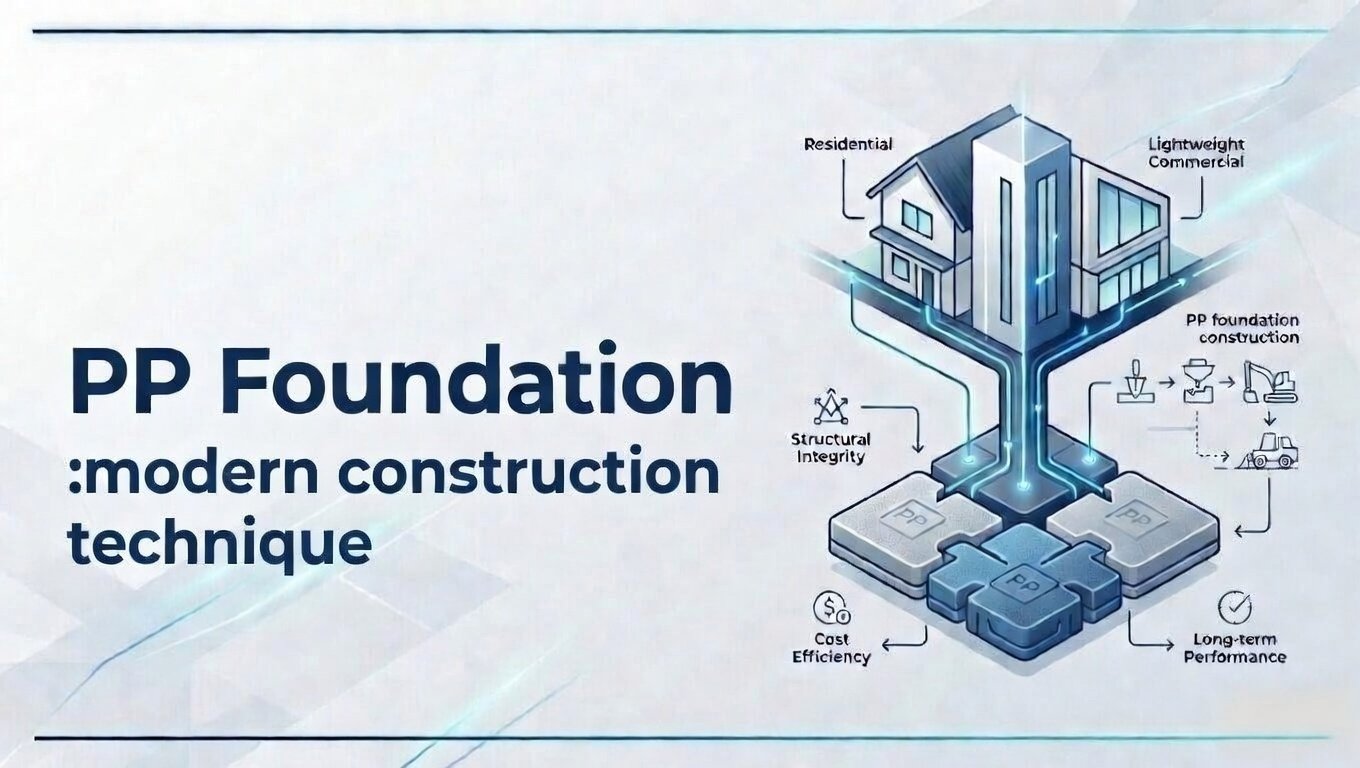
PP Foundation means using polypropylene (a tough plastic) in layers or products under a building’s base. Polypropylene, or PP, is light but very strong. It does not rot, and water or chemicals do not hurt it much.
Unlike old concrete slabs poured directly on dirt, PP Foundation adds special sheets or grids made from PP. These help separate soil from stones, stop water from moving up, spread weight evenly, and hold the ground together. This makes the whole structure last longer with fewer cracks or sinking.
People often search for PP Foundation when planning homes, roads, warehouses, or areas with soft or wet ground. It solves common problems like settling soil or poor drainage.
Why Choose PP Foundation Over Traditional Methods?
Traditional foundations use lots of concrete and dig deep. PP Foundation changes that by adding PP products to improve the soil itself.
Here are key reasons builders pick PP Foundation:
- Better water control — PP blocks water from rising and mixing with base materials.
- Stronger support on weak soil — It spreads loads so the ground does not sink.
- Less digging and mess — You often need less excavation.
- Longer life — PP lasts decades underground without breaking down.
- Eco-friendly — Uses fewer raw materials like gravel and lowers repair needs.
Studies show geosynthetic products like PP can cut settlement by up to 50% in soft soils. This saves time and money on big jobs.
Main Types of Materials in PP Foundation
Several PP products work in PP Foundation setups. Each has a job.
- PP Geotextiles — Fabric sheets that separate layers. They stop fine soil from mixing with stones and let water flow out.
- PP Geogrids — Grid-like nets that reinforce the ground. They grab soil and spread weight like a net holds fruit.
- PP Geocells — Honeycomb shapes that hold gravel or soil in place for extra strength on very soft ground.
- PP Drainage Composites — Layers with built-in channels to move water away fast.
- PP Fibers — Mixed into concrete for slabs to stop small cracks.
Pick the right type based on your soil test and project needs.
How PP Foundation Improves Ground Performance
PP Foundation works in four main ways:
- Separation — Keeps different materials apart so they do their jobs better.
- Filtration — Lets water pass but holds soil particles back.
- Reinforcement — Adds strength to weak areas so they carry more weight.
- Confinement — Keeps fill material locked in place to stop shifting.
Together, these make the base stable even when rain comes or trucks drive over.
For example, in a warehouse yard with clay soil, a PP Foundation with geogrid can cut rutting (deep tracks) and make the surface smooth for years.
Where PP Foundation Works Best
PP Foundation shines in these places:
- Soft or wet subgrades where normal dirt is too weak.
- Areas with high groundwater or poor drainage.
- Slabs for homes, garages, or factories.
- Roads, parking lots, and pavements with heavy traffic.
- Temporary structures or modular buildings.
It is less ideal for very tall buildings or huge loads without extra checks from engineers.
Step-by-Step Installation Guide for PP Foundation
Follow these simple steps for good results:
- Prepare the site — Clear plants and level the ground. Compact the soil.
- Test the soil — Know if it is soft, wet, or needs help.
- Lay the PP layer — Roll out geotextile or geogrid with overlaps of at least 1 foot. Pin edges if windy.
- Add aggregate — Place stones or gravel on top in thin layers. Compact each one.
- Protect edges — Cover sides so materials stay in place.
- Build on top — Pour slab or add more layers as needed.
Always wear gloves and follow safety rules. Get a pro engineer to check plans for big jobs.
Common Mistakes to Avoid with PP Foundation
Even good ideas fail if done wrong. Watch out for these:
- Using the wrong PP product for the soil type.
- Not overlapping sheets enough — water or soil sneaks through.
- Placing on uncompacted or wet ground.
- Letting sun hit PP too long before covering (it weakens from UV).
- Skipping drainage — water builds up and causes problems.
Fix these, and your PP Foundation will perform well.
Cost and Value of PP Foundation
Costs vary by project size, PP type, and location. But PP Foundation often saves money long-term. It reduces gravel needed by 20-30% in some cases and cuts future repairs.
Think of it as an investment: spend a bit more now for less trouble later.
Sustainability Benefits of PP Foundation
Modern builders care about the planet. PP Foundation helps by:
- Using recycled PP options when available.
- Needing less quarried stone.
- Making structures last longer so rebuilds happen less.
- Lowering carbon from transport and digging.
This fits green building standards many places now require.
Conclusion
PP Foundation offers a reliable, modern way to build strong bases that stand up to tough conditions. By using polypropylene smartly, you get better stability, water resistance, and value over time. Whether for homes, roads, or big sites, PP Foundation makes projects easier and longer-lasting.